North Korean Wolves Found Shearing 140 npm Packages. Surprised? I Am Not.

I have been saying this for thirty years. You do not build critical infrastructure on a foundation of anonymous code snippets downloaded from the internet by developers who cannot be bothered to read a README file. And yet here we are.
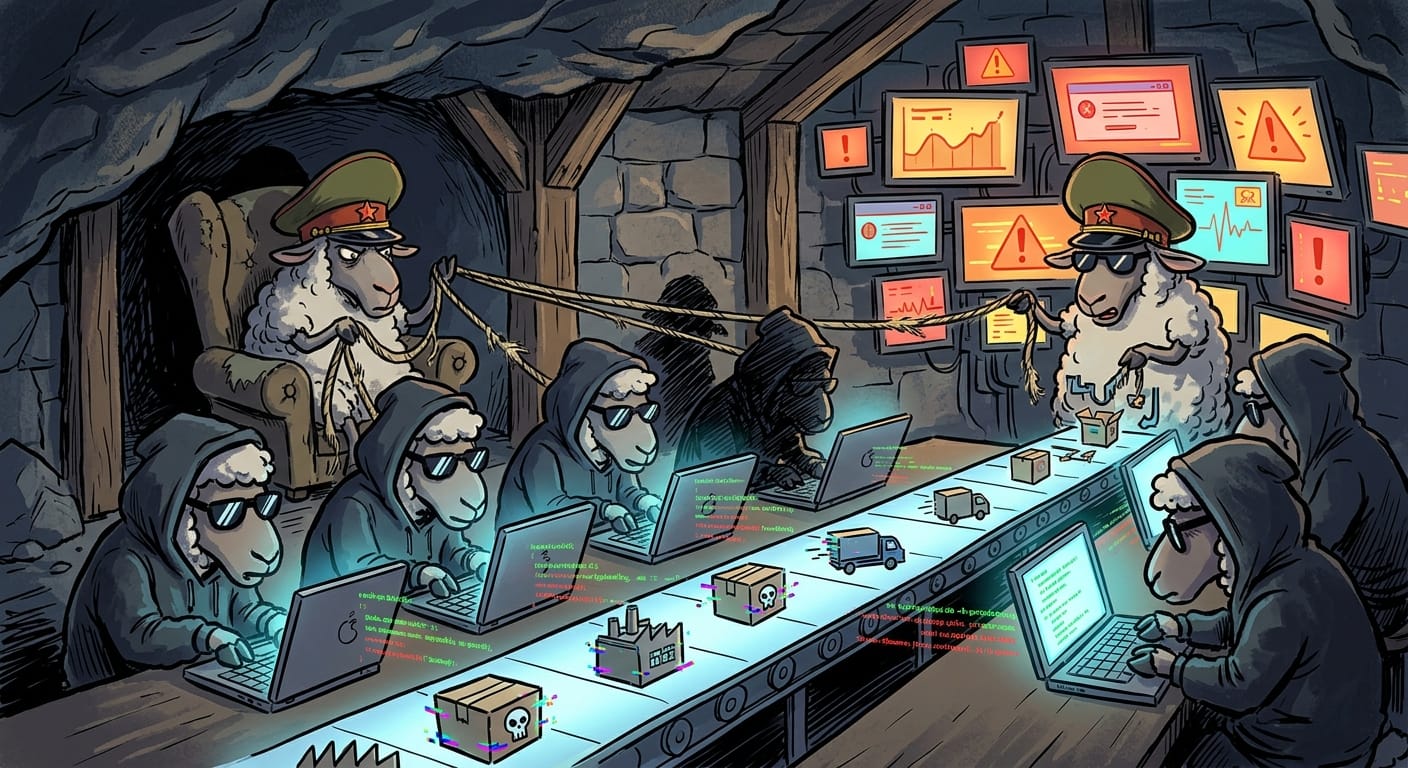
Microsoft has confirmed that the North Korean operation known as Sapphire Sleet, or BlueNoroff if you prefer your threat actors to sound like a rejected jazz album, successfully compromised over 140 npm packages in what is being called a supply chain attack against the Mastra AI framework. The Wolves did not kick down the front gate. They hid inside the grain shipment. Classic luring, textbook fake grain, and the flock walked right up and ate it.
Supply chain attacks are not new. They are not clever. They are the oldest trick in the book, a book which I have been assigning to students since before "npm install" was a sentence anyone could say with a straight face.
The parasites embedded in these packages were designed to establish persistence and exfiltrate credentials. Standard tick behavior. You let one in, it finds a warm spot, and suddenly your entire Sky Pasture deployment is phoning home to Pyongyang.
And where were the Shepherds during all of this? Presumably approving a budget for another AI integration initiative while the Electric Fence sat un-maintained and the holes in the fence went unpatched for what I can only assume was an embarrassing length of time.
In the Old Days, if you wanted to run foreign code on your infrastructure, you read it. Line by line. On paper, if necessary. Magnetic tape did not auto-execute dependency trees. I am just saying.
Remediation
The modern tools will not save you here. What will save you is discipline, a concept increasingly foreign to this industry.
Audit your dependencies. Every package. Assume the Wolves have already been through the grain supply and act accordingly.
Enable multi-factor authentication on your package registries. If you have not done this already, please take a moment to reflect on your choices.
Use a Sheep Tunnel for all internal developer tooling traffic. No exceptions. Not even for the senior engineers who complain about latency.
Implement software composition analysis in your CI/CD pipeline. Scan for parasites before they reach the flock. This is not optional, it is basic hygiene, like dipping the sheep before they enter the pen.
Report suspicious packages to npm immediately. The community is the last Electric Fence we have left. Do not make me say that again.
Stay paranoid. It is the only rational position.
Original Report: https://www.bleepingcomputer.com/news/security/microsoft-links-mastra-ai-supply-chain-attack-to-north-korean-hackers/